
Manténgase sano!
- Posted December 23, 2025
Hemorrhoids: What Patients and Families Should Know
Hemorrhoids are one of the most common -- and least discussed -- medical problems in adults. They can cause itching, pain, bleeding and anxiety, but they’re rarely dangerous.
With the right information, most people can manage symptoms safely at home and know when it’s time to see a doctor.
Here’s what patients and families should understand about this condition.
What are hemorrhoids?
Hemorrhoids are swollen veins in and around the anus. Everyone has these veins, but when they become stretched, enlarged or irritated, they can become symptomatic. They can occur inside the anus (internal hemorrhoids) or under the skin near the anus (external hemorrhoids).
Internal hemorrhoids are usually painless but can cause bright red bleeding during a bowel movement. External hemorrhoids can cause itching or irritation, and if a blood clot forms, they may become very painful and appear as a firm, tender lump.
Although the symptoms can be uncomfortable and sometimes alarming, most hemorrhoids improve with simple treatments. They themselves are not cancerous.
Why do hemorrhoids happen?
Hemorrhoids develop when pressure increases in the veins of the rectum and anus. Several everyday factors can contribute:
Constipation or hard stools that lead to straining
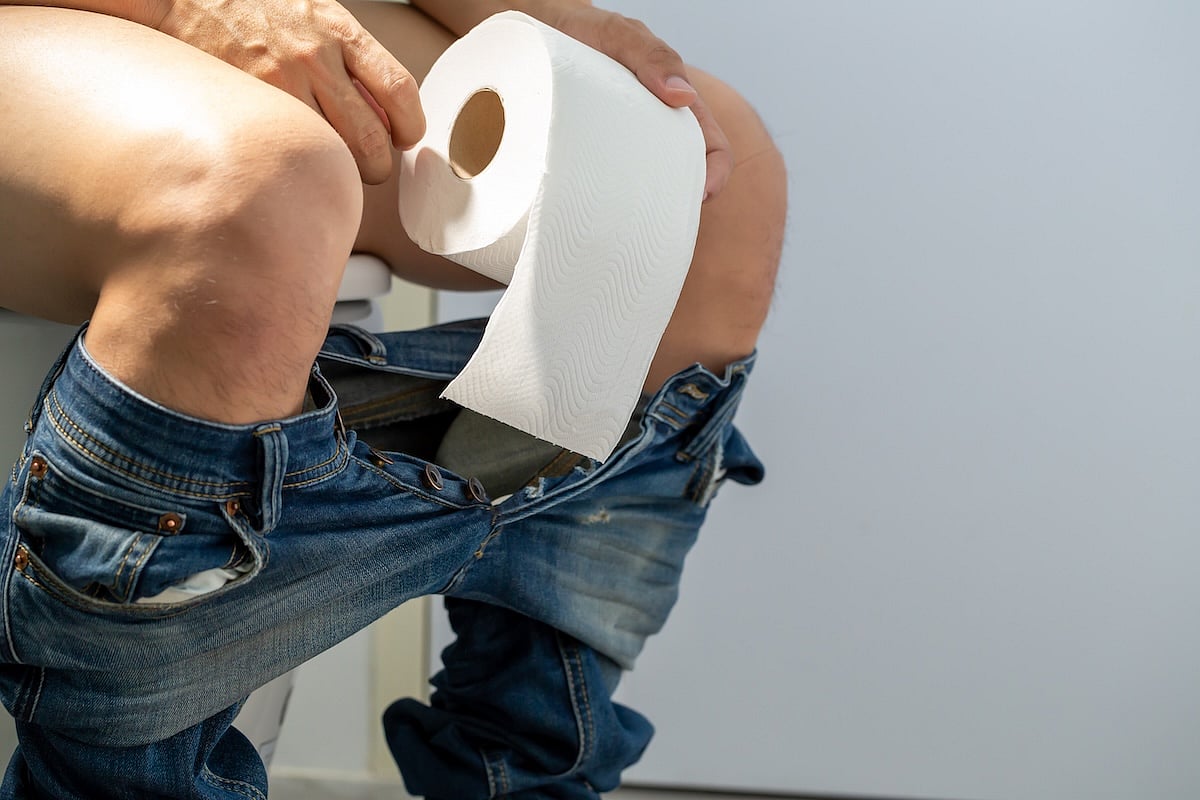
Sitting on the toilet for long periods (more than about 5 - 10 minutes at a time)
Pregnancy and childbirth, due to increased pressure in the pelvis
A low-fiber diet, which makes stools harder to pass
Obesity or prolonged sitting at work
Aging, which weakens tissues supporting the veins
Repeated heavy lifting
Many adults will develop hemorrhoids at some point in life. They’re especially common after age 50, but younger people -- especially during pregnancy -- experience them as well.
What are the common symptoms?
Hemorrhoids can cause a range of symptoms:
Bright red blood on toilet paper or in the toilet bowl
Itching or irritation around the anus
Pain, especially while sitting
A tender lump near the anus
Mucus or difficulty cleaning after a bowel movement
A bulge or protrusion after a bowel movement that may go back on its own or need gentle pushing
Because rectal bleeding can also be a sign of other conditions, including colorectal polyps or cancer, it’s important not to assume hemorrhoids are the cause without proper evaluation -- especially if you’re over 45 or have risk factors for colon cancer.
At-home relief: What really works?
Most hemorrhoid flare-ups improve within a few days with simple care. Here are some effective strategies:
Eat more fiber.
Aim for 25 to 35 grams daily through fruits, vegetables, beans, nuts and whole grains. Fiber supplements like psyllium can also help keep stools soft and easier to pass.
Drink plenty of water.
Staying well-hydrated helps fiber work properly and reduces constipation.
Use warm baths or sitz baths.
Sitting in warm water for 10 to 20 minutes can ease itching and soreness.
Avoid straining or lingering on the toilet.
Go when you feel the urge and avoid reading or using your phone while sitting.
Try over-the-counter treatments.
Creams, ointments, pads with witch hazel or products with hydrocortisone or lidocaine may temporarily relieve discomfort.
Use pain relievers if needed.
Acetaminophen or ibuprofen can help during painful flare-ups.
Good lifestyle habits -- especially maintaining a fiber-rich diet -- are essential for preventing future episodes.
When should you call a doctor?
While most hemorrhoids can be managed at home, you should seek medical care if:
Bleeding is heavy or persistent.
You notice a painful lump that doesn’t improve.
Symptoms last longer than one week despite home treatment.
You have changes in bowel habits.
You’re unsure whether the symptoms are truly hemorrhoids.
You experience severe pain from a firm lump -- this could be a thrombosed hemorrhoid, which occurs when a blood clot forms inside an external hemorrhoid, causing sudden pain, swelling, and sometimes a firm, tender lump near the anus. This sometimes needs early treatment.
A doctor will perform a brief exam and may recommend further testing if another condition needs to be ruled out.
What medical treatments might help?
If home remedies aren’t enough, several effective office-based procedures are available:
Rubber band ligation is the most common treatment for internal hemorrhoids. A small band is placed around the hemorrhoid to cut off blood supply, causing it to shrink.
Sclerotherapy, a treatment in which a solution is injected to shrink the hemorrhoid.
Infrared coagulation uses heat or light to shrink internal hemorrhoids.
For large or persistent hemorrhoids, surgical removal (hemorrhoidectomy) or stapled procedures may be recommended. These are typically reserved for more severe cases but are very effective.
Prevention: Simple steps that make a big difference
To lower your risk of future hemorrhoid problems:
Follow a high-fiber diet.
Drink water regularly throughout the day.
Stay active and avoid long periods of sitting.
Respond promptly to the urge to have a bowel movement.
Avoid straining and limit time on the toilet.
Discuss chronic constipation with your health care provider.
Hemorrhoids are common, treatable and often preventable. While flare-ups can be uncomfortable, most improve with simple lifestyle changes and over-the-counter care.
If symptoms persist or you’re concerned about bleeding or pain, a health care provider can offer safe and effective options. Early evaluation brings peace of mind and ensures you get the right treatment.
About the expert
Olga Beresneva, MD, is a colorectal surgeon at Boston Medical Center (BMC) with expertise in robotic surgery. Her clinical and research interests include new technologies and techniques to treat colorectal disorders, and colorectal surgery quality improvement and outcomes. Dr. Beresneva is also an assistant professor of surgery at Boston University Chobanian & Avedisian School of Medicine. She received her medical degree from Drexel University College of Medicine, completed a general surgery residency at Boston Medical Center, and a fellowship in colon and rectal surgery at Lahey Hospital and Medical Center.
